The process of removing trees is vital for ensuring the safety and well-being of both residential and commercial areas. Although trees add beauty to our surroundings, they can become dangerous if not managed appropriately. Factors such as illness, damage from storms, or excessive growth can highlight the necessity for tree removal. Hiring a qualified tree service guarantees that the removal process is handled safely and effectively.
With a variety of service providers accessible, recognizing the significance of tree removal services is essential to maintaining the safety and visual appeal of your property at read more.
Tips for Effective Tree Care
Taking care of your trees not only enhances your landscape but ensures their health and longevity. Implementing regular tree health assessments will help prevent the need for drastic measures later.
- Schedule regular inspections to monitor tree health.
- Engage tree pruning service to keep trees healthy and shapely.
- Consider the environment when planting new trees.
- Utilize professional tree services for major maintenance.
- Stay informed on local regulations regarding tree removal and care.
Deciphering Tree Removal Services
Tree removal pertains to the thorough elimination of a tree and its root ball from the designated area. This service becomes critically important when trees are deceased, threatening to damage structures, or obstructing important features like power lines or pathways. Professional tree service companies take charge of these tasks, ensuring that the operation is conducted with minimal impact on the local ecosystem. The techniques used vary greatly, taking into account variables like the tree's dimensions, its geographical setting, and its proximity to other infrastructures. In more challenging scenarios involving sizable trees, equipment such as cranes can prove necessary. It is paramount to utilize the expertise of certified professionals who follow safety regulations to adeptly manage every element of tree removal.
Understanding the Need for Tree Removal
It is essential to recognize when a tree requires removal for the safety of your property. Warning signals include clear indications of decay, the presence of falling branches, or an unstable trunk. Additionally, trees that overshadow your yard or grow too near to your house might need to be removed to ensure the long-term health of the landscape. Experts in the field can offer assessments on the tree’s condition and determine whether removal is the best option. Engaging the services of a tree trimming and removal company can provide critical insights into a tree’s health and help you make educated decisions.
The Tree Removal Process
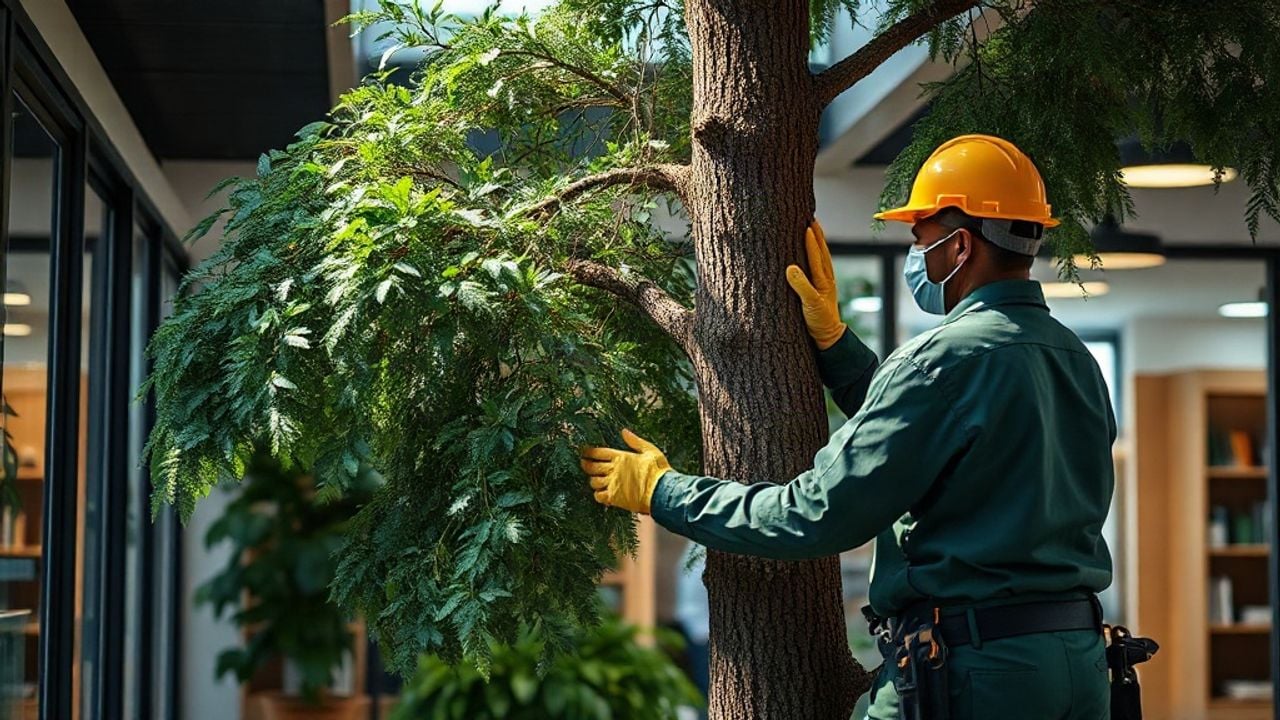
To begin the tree removal process, a comprehensive evaluation by a certified tree care expert is crucial. This professional will determine the health of the tree and how its removal might affect nearby infrastructure. Once the assessment is done, they will create a customized plan tailored to the circumstances of the tree. The removal procedure typically involves specialized tools, including chainsaws, ropes, and sometimes a stump grinder to manage underground roots. The removal itself is a staged process: the first step is the careful cutting of branches, followed by taking down the trunk in smaller, more manageable sections. The final step involves extracting the roots, often through stump grinding, to leave the site clear for future landscaping or new planting opportunities. After the tree is taken down, it’s important to consider the fate of the leftover stump. While stump grinding can help ensure a smooth transition for the area, it also eliminates any potential safety hazards associated with remaining stumps.
Cost Factors for Tree Removal
For property owners, grasping the pricing structure of tree removal is essential. Several elements determine the total cost, such as the tree's height, the diameter of its trunk, and its location relative to nearby structures. Trees that are difficult to reach or positioned close to buildings often entail higher expenses due to the extra measures necessary for safety and accessibility. On average, you may see a wide range in tree removal costs based on these factors, so it’s advisable to obtain estimates from various tree service providers. Doing so ensures you are getting the best value for your investment while still opting for quality work.
Many tree removal services understand that budgets vary and thus offer tailored solutions to meet diverse financial needs. If you want to delve deeper into tree care costs, you can check out resources like tree removal.
 Summit Tree ServicesSummit Tree Services guide
Frequently asked questions
What is tree removal?
Tree removal is the process of completely extracting a tree and its root system from a designated area, typically due to safety, aesthetic, or health reasons.
How do I choose a tree removal provider?
Choose a provider by checking credentials, reviews, and insurance coverage. Get multiple quotes and ensure they offer comprehensive services including tree trimming and stump grinding.
How much does tree removal cost?
Tree removal costs vary based on tree size, location, and condition. On average, you can expect to pay between $200 to $2,000; it’s advisable to obtain estimates based on specific circumstances.
What happens to the stump after removal?
After removal, the stump can be left, ground down, or removed entirely. Stump grinding is preferred for aesthetics and prevents pest infestation.
Are there environmental considerations when removing trees?
Yes, it’s critical to consider the impact on local wildlife and the ecosystem. Some trees may harbor nesting birds or other wildlife, requiring careful planning and timing for removal.
Gaining insight into tree removal and the associated services empowers homeowners to effectively care for their yards. By hiring experts, property owners can guarantee that trees are taken down with the least amount of disruption possible.
Consistent tree maintenance and attentiveness to the health of the landscape improve safety and help avert future removals, fostering a robust environment.
When considering tree removal, prioritize evidence of results, straightforward reporting, and alignment with your market and timeline. Ambiguous assurances lacking a measurement strategy should raise red flags.
Inquire about how progress is monitored, what services are included or optional, and how the provider modifies strategies when rankings or traffic slow down. A written agreement before payment safeguards the interests of both parties.